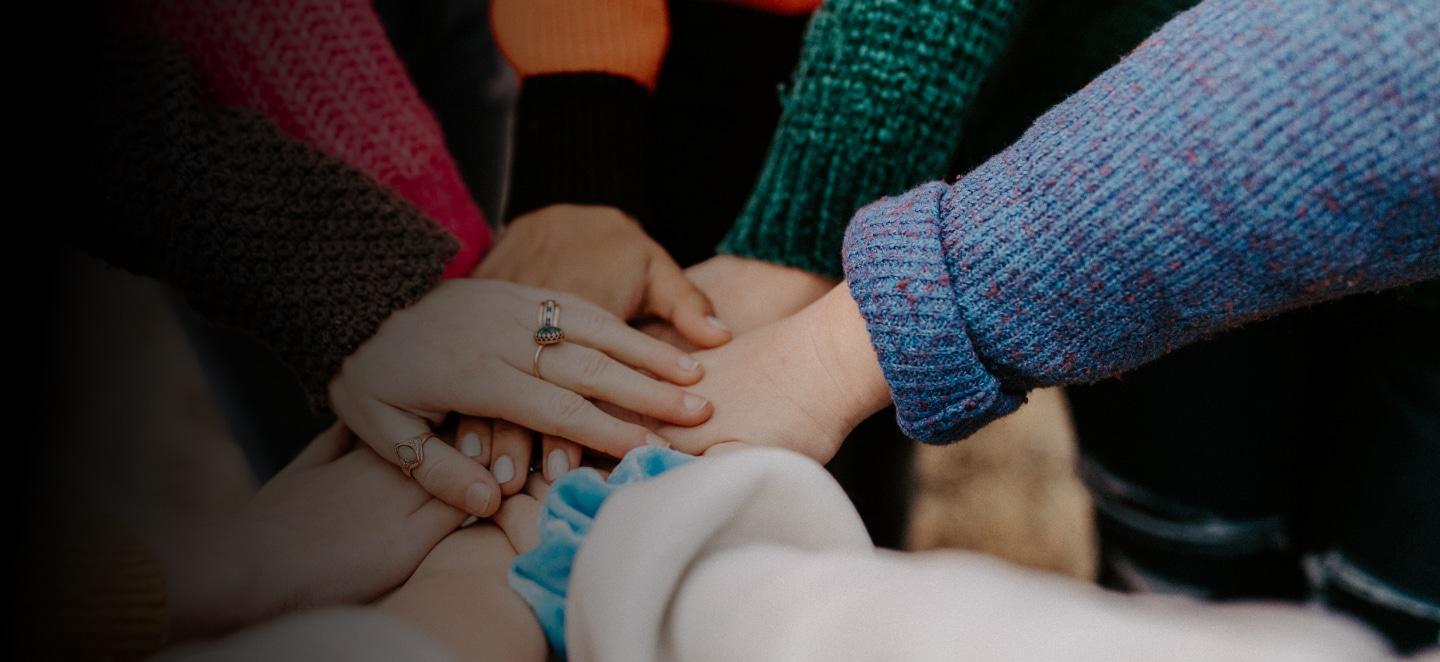
Our programs
We get to serve.
Safe housing, trauma-informed care, and community support for women, children, and families ready to rebuild their lives. Every program is free of charge.
Who we serve
A path forward for those who need hope most.
- Survivors of human trafficking
- Mothers with children
- Individuals rebuilding after addiction
- Families experiencing crisis
- People leaving abusive and high-control environments
- Community members in need
Our care is built on
- Safety
- Choice
- Trust
- Empowerment
- Community
- Long-term restoration
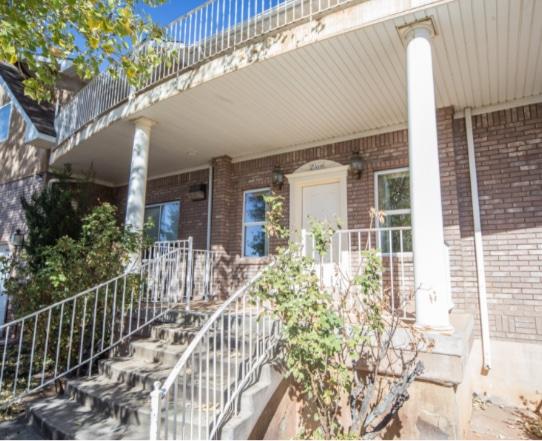
Residential support
A safe place to heal and rebuild.
Every room transformed
Programs designed for healing
Our Recovery Center is equipped to help people from all walks of life achieve healing and restoration. We often help people who are:
- Escaping domestic violence
- Healing from trauma
- Navigating family crises
- Developing crucial life skills
Need support right now? Call (435) 619-4294
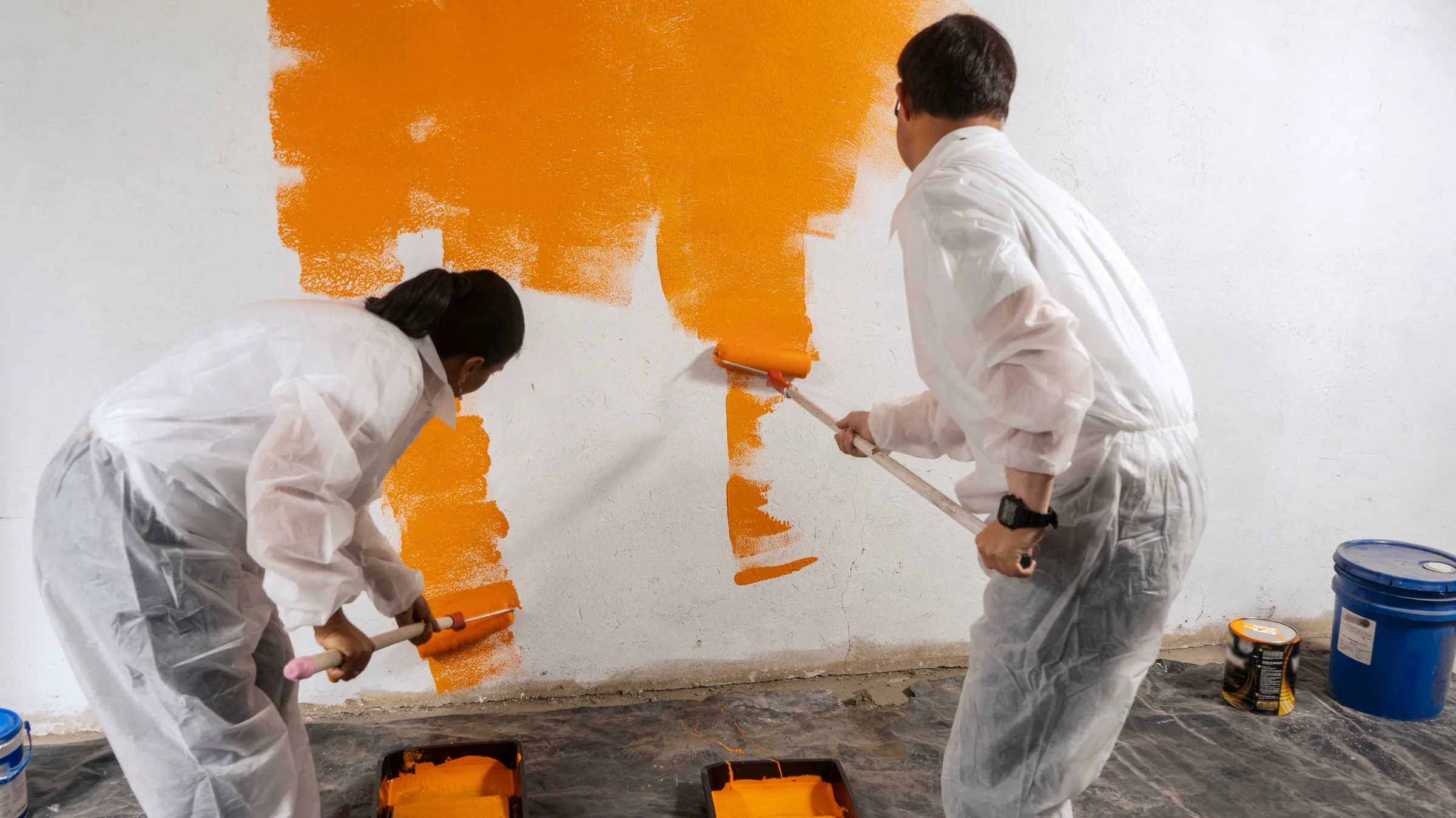
Community outreach
Showing up for our neighbors.
Local events
Community projects

City Help Center Food Bank
Feeding more than 1,500 neighbors.
Questions
Frequently asked questions
What does the Short Creek Dream Center do?
We run a 40-bed residential trauma recovery program for survivors of human trafficking, abuse, oppression, and high-control environments, the City Help Center Food Bank, and community outreach including events and household projects for neighbors. Residents also receive educational support and academic planning through partnerships with local schools, colleges, and community educational resources.
Where is the Short Creek Dream Center?
We serve the twin towns of Hildale, Utah and Colorado City, Arizona, known together as Short Creek. Our Residential Support Center is in a 44-bedroom house that once belonged to Warren Jeffs, renovated room by room into a place of hope and healing.
Is the Short Creek Dream Center a faith-based organization?
Yes. We are a Christ-centered, faith-based, not-for-profit social services agency, part of The Dream Institute, and rooted in values that began with the first Dream Center, founded in Los Angeles in 1994.
What does “trauma-informed” mean at the Dream Center?
Our care is built on safety, choice, trust, empowerment, community, and long-term restoration, so people can heal through relationship rather than being rushed through a program.

You are not alone
Need help?
Our support team is available 7 days a week. Reach out, and we’ll help you find hope, healing, and a path forward.